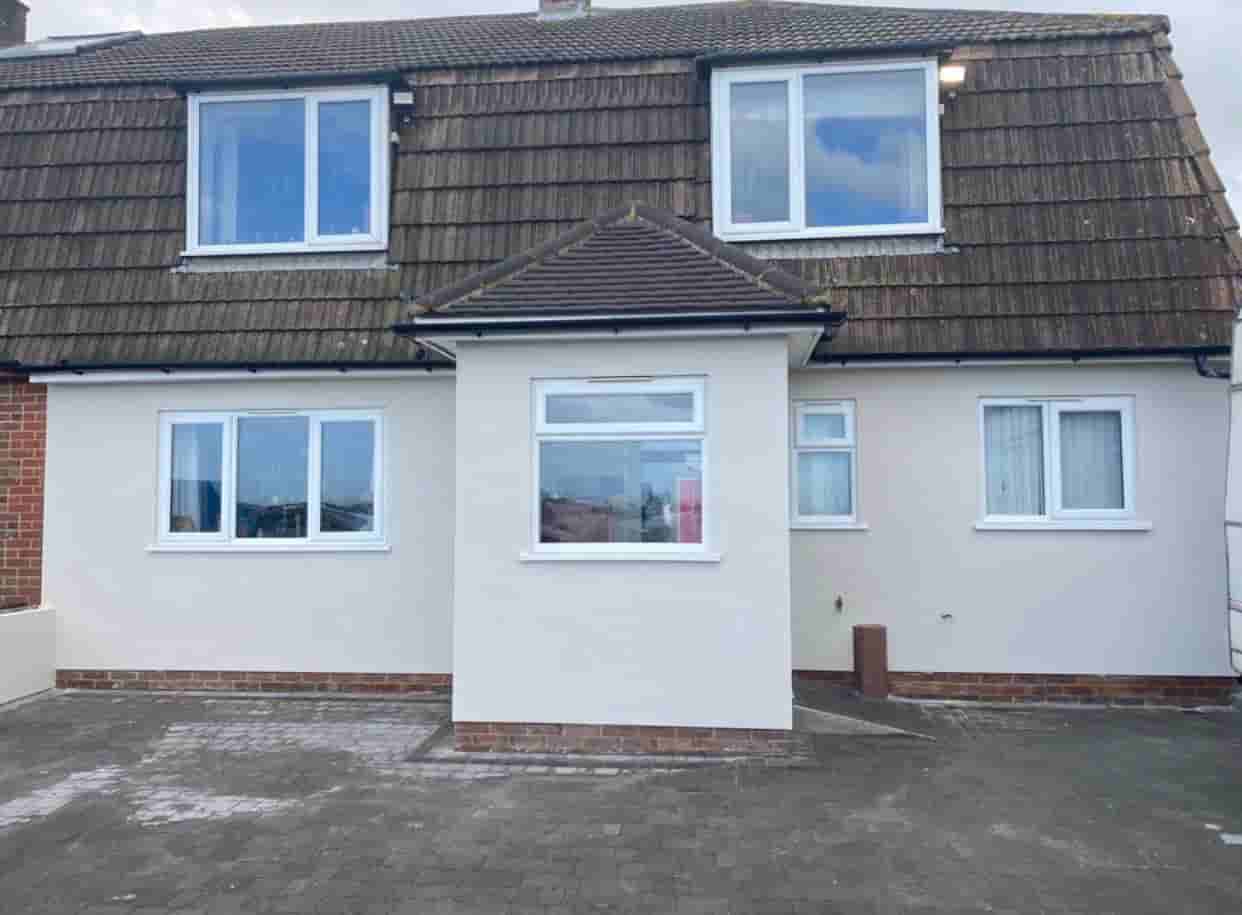
Lead Flashing Repairs: Why Proper Roof Sealing Is Essential for Preventing Leaks
Lead flashing plays an important role in keeping a roof watertight. It creates a protective seal around vulnerable junctions where rainwater could otherwise enter, including chimneys, roof valleys, dormers and the points where a roof meets a wall. When flashing becomes loose, cracked or poorly sealed, even a small gap can allow moisture to penetrate the roof structure.
For homeowners in Maltby, South Yorkshire, maintaining lead flashing is an important part of protecting a property from water ingress. Recognising early signs of deterioration and arranging professional lead flashing repairs can help prevent minor defects from developing into persistent leaks and further damage.
What Is Lead Flashing and Where Is It Used?
Lead flashing is a flexible roofing material fitted around joints and transitions to direct rainwater safely away from vulnerable areas. It is commonly used because it can be shaped to suit different roof profiles and accommodate some natural movement in building materials.
You may find lead flashing around:
- Chimneys, where the roof covering meets the masonry.
- Roof valleys, where two roof slopes meet and channel rainwater.
- Dormer windows and other roof projections.
- Abutments, where a roof meets a wall.
- Roof extensions and other junctions that require a weatherproof seal.
These areas are particularly important because water can collect or pass through small gaps if the flashing is damaged or incorrectly fitted. Sound flashing helps maintain the roof’s weather resistance and protects the materials beneath the roof covering.
Common Signs That Lead Flashing Needs Repair
Cracked or Split Flashing
Although lead is durable, it can deteriorate over time. Repeated movement, weather exposure and stress around joints can contribute to cracks or splits.
Damaged flashing may allow rainwater to enter beneath the roof covering, sometimes causing damp patches on ceilings or walls. The leak may not appear directly beneath the damaged section because water can travel along timbers and other surfaces before becoming visible indoors.
If you notice visible damage around a chimney or roof junction, arrange a professional inspection to establish the extent of the problem.
Loose or Lifted Edges
Lead flashing must sit securely against the surrounding roof materials and masonry. If an edge lifts or a section becomes loose, rainwater can enter behind the flashing rather than flowing away from the junction.
Wind exposure, deteriorating mortar or failed fixings can contribute to this problem. Even when the flashing appears largely intact, a gap at the edge can compromise the seal.
A roofing specialist can check the affected area and determine whether the flashing can be secured or whether further repairs are needed.
Damp Patches Near Chimneys or Roof Junctions
Water stains, peeling paint and damp plaster near a chimney breast or upper wall may indicate a problem with the flashing. Persistent moisture or a musty smell in the loft can also suggest water is entering through a vulnerable roof junction.
However, these symptoms can have other causes, including condensation or defects elsewhere on the roof. A proper inspection helps identify the source of the moisture and prevents repairs from being directed at the wrong area.
Deteriorating Mortar Around the Flashing
Lead flashing is often secured or finished into joints in the surrounding masonry. If the mortar becomes loose, cracked or eroded, the seal can weaken and allow water to pass behind the flashing.
Simply applying sealant over the visible gap may not provide a lasting solution if the underlying joint remains defective. Effective repairs should address the condition of both the flashing and the surrounding masonry where necessary.
Why Proper Roof Sealing Is Essential
A roof is made up of several components that must work together to keep water out. Tiles or slates provide the main covering, while flashing protects the junctions where water could enter around changes in the roof’s shape.
When these junctions are not properly sealed, rainwater can reach the roof deck, insulation and supporting timbers. If the moisture remains trapped, it may contribute to timber deterioration, damaged internal finishes and recurring damp problems.
Proper lead flashing repairs restore the protective connection between adjoining surfaces. The work may involve securing loose sections, repairing suitable defects, renewing damaged flashing or addressing deteriorated mortar. The correct approach depends on the material’s condition and the way the junction has been constructed.
Professional workmanship is important because flashing must be shaped, positioned and integrated correctly with the surrounding roof covering. A repair that only masks the visible gap may fail to address the underlying cause of the leak.
How to Help Prevent Lead Flashing Problems
Regular visual checks can help you identify potential issues before they cause significant water ingress. From the ground, look for obvious gaps, displaced sections or deterioration around chimney and roof junctions. After heavy rainfall, check accessible internal areas for new damp patches or water stains.
It is also worth arranging an inspection if your roof has developed a recurring leak, even if previous repairs appeared to resolve it. Repeated moisture may indicate that the original entry point has not been fully addressed.
Avoid climbing onto the roof to examine flashing yourself. Lead flashing is often located in difficult-to-access areas, and damaged roof coverings can be unsafe to walk on.
Professional Lead Flashing Repairs in Maltby, South Yorkshire
If you suspect that damaged flashing is allowing water into your property, a professional assessment can help establish the cause and identify the most appropriate repair. Inspecting the flashing alongside nearby roof coverings and masonry helps ensure that related defects are not overlooked.
EFG Roofing Maltby provides roofing repair services for properties in Maltby, South Yorkshire. If you have noticed loose flashing, damp patches or signs of a leak around a chimney or roof junction, contact the team to discuss your concerns and arrange an inspection.
Conclusion
Lead flashing is essential for protecting vulnerable roof junctions from rainwater. Cracks, lifted edges and deteriorating mortar can weaken the seal, allowing moisture to enter and potentially damage the roof structure and interior of your home.
Identifying these warning signs early and arranging appropriate repairs can help maintain a watertight roof and prevent recurring leaks. If you are concerned about lead flashing at your property in Maltby, South Yorkshire, EFG Roofing Maltby can help assess the problem and recommend suitable repairs.
Call us on: 01709 212 591
Click here to find out more about EFG Roofing Maltby
Click here to complete our contact form and see how we can help with your roofing needs.